
Guide to Czech Outdoor Gym Locations
Over 40 outdoor fitness installations across the Czech Republic. Find equipment, locations, and how to use each station effectively.
Read GuideWe’ve mapped out five stretching stations across Prague parks. Learn how to use them properly and build flexibility without equipment.

Most people think stretching is something you do after a workout. But it’s so much more than that. When you’re stretching outdoors with fresh air and natural light, something shifts mentally. You’re not just improving flexibility — you’re building a habit that actually sticks.
Here’s the deal: outdoor stretching stations exist across Czech parks, but hardly anyone uses them properly. We’ve spent months testing routines at five major locations. What we found surprised us. The best stretching isn’t the most complex — it’s the one you’ll actually do consistently.
We’ve identified and tested stretching routines at five dedicated outdoor fitness stations across Prague. Each location offers different equipment and benefits for your flexibility training.
Your hips hold tension from sitting all day. Most people don’t realize how tight they actually are until they try proper stretching. The first station focuses on opening up your hip flexors and glutes using the horizontal bars and parallel structures.
Here’s what you’ll do: Hold the lower bar with both hands, step one foot forward, and gently lower your body until you feel a deep stretch in the back of your leg. Don’t bounce. We’re not rushing this. Hold for 45 seconds on each side, then rest 20 seconds. Three rounds total.
The reason this works? You’re using your body weight against gravity. No equipment needed beyond what’s already there. Most people see noticeable improvement in their range of motion after about two weeks of consistent use.
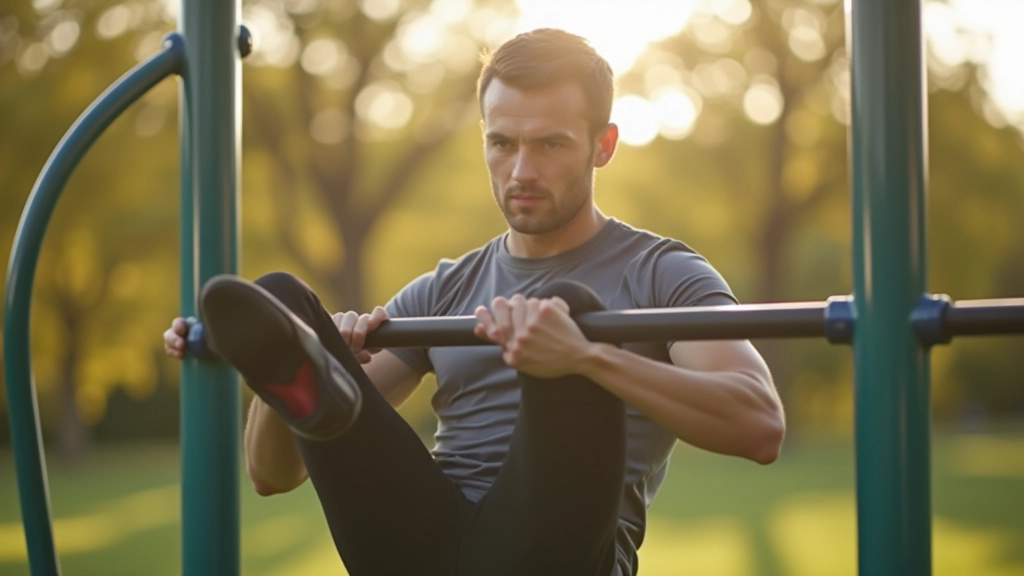
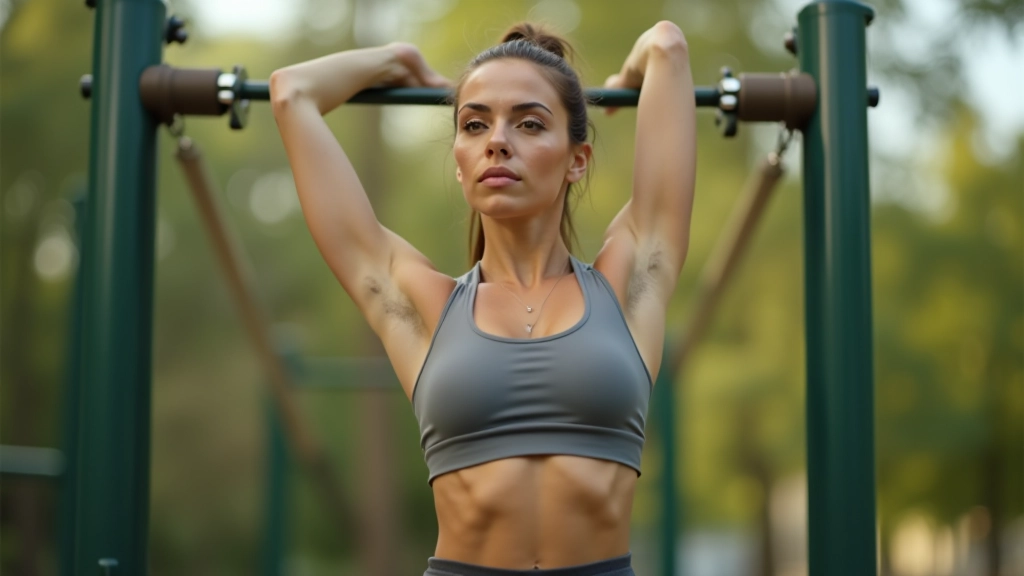
Your shoulders don’t just get tight from working at a desk. They tense up from stress, poor posture, and frankly, from holding tension you didn’t even know you were carrying. This station uses the vertical bars and equipment designed specifically for upper body work.
The technique is simple but effective. Face the bars, grab them at shoulder height, and step backward slowly until your arms are extended. Let your chest drop naturally. You’ll feel a gentle pull across your entire front side. Hold this for 60 seconds, release, and repeat twice more.
People often skip shoulder stretching because they think it’s less important than leg work. That’s a mistake. Tight shoulders affect your posture, your neck, and your ability to move freely. After three weeks of this routine, most people notice they’re standing taller.
This isn’t a random collection of stretches. It’s a tested sequence that builds on itself. You’ll progress through different stations, working from lower body to upper body, which is how your nervous system responds best.
Walk around the park area at a comfortable pace. Don’t stretch cold muscles. You’re preparing your body for deeper work.
Three rounds of hip flexor stretches (45 seconds each leg, 20 seconds rest). Your legs carry all your body weight — they need the most attention.
Use the equipment to perform gentle spinal twists and back extensions. This releases tension that builds up throughout the day.
Two rounds of chest opening (60 seconds each, with shoulder rotations between rounds). Finish strong with upper body work.
Slow breathing and light walking. Let your body settle. This mental reset is as important as the physical work.


Here’s what we’ve noticed after months of testing: people who stick with this routine for four weeks report significant changes. Their range of motion improves noticeably. They move more freely. They’re less sore after activity.
But there’s something else that happens. They start enjoying being outside. They look forward to the routine. It becomes part of their day, not something they force themselves to do. That’s when real change happens.
Don’t expect dramatic overnight transformation. That’s not how flexibility works. What you will see is steady, measurable improvement. Your touches get lower. Your movements become smoother. Your body feels better throughout the day.
Early morning or late afternoon works best. Your body is warmed up but not fatigued. Avoid stretching first thing after waking.
Cold muscles are tight muscles. Warm up with a short walk before you start. Your stretches will be more effective and safer.
You should feel mild tension, not pain. Sharp pain means stop immediately. Stretching is about patience, not pushing hard.
Three times per week for 15 minutes beats once per week for 60 minutes. Your body adapts to regular, moderate work.
This article is for informational and educational purposes only. The stretching routines described here are general guidance based on common outdoor fitness practices. Every person’s flexibility needs and physical condition are different. If you have any existing injuries, joint issues, or health concerns, consult with a healthcare professional or certified fitness trainer before starting any new stretching program. Listen to your body and modify exercises as needed. Stop immediately if you experience sharp pain or discomfort.
You don’t need fancy equipment, expensive gym memberships, or complicated programs. You just need a park, 15 minutes, and the willingness to show up consistently. The stretching stations are there. They’re free. They work.
Pick one location near you. Try this routine three times this week. Notice how your body feels. That’s the beginning of real change.