

Park Stretching Routines That Actually Work
We’ve mapped out five stretching stations across Prague parks. Learn how to use benches and bars for proper recovery stretches.
Read ArticleNo equipment needed. We’ve compiled effective routines using just your body weight — from push-ups and squats to dips on park benches. Three difficulty levels included.

You don’t need fancy equipment to build strength. Bodyweight exercises have been the foundation of fitness for centuries — they’re accessible, effective, and you can do them literally anywhere. A park bench, grass field, or even your living room becomes a complete gym.
The best part? You’ll see real results. Most people notice strength improvements within 4-6 weeks of consistent training. Push-ups get easier. Squats feel smoother. Pull-ups that seemed impossible become possible. It’s not magic — it’s just progressive overload and proper form.
Equipment needed
Difficulty levels
Weeks to see results
If you’re just starting out, don’t worry about complex movements. You’ll focus on mastering the basics first. The foundation matters more than speed or volume.
Do this routine twice a week with at least one rest day between sessions. You’re building neural pathways and muscle memory. Rest days matter — that’s when your muscles actually adapt and grow stronger.


Once the basics feel comfortable, it’s time to progress. You’ve built the foundation — now we’re adding intensity and variation.
Train 3 times per week at this level. You’re building real muscle now. Progressive overload is key — whether that’s adding reps, improving form, or decreasing rest time between sets.
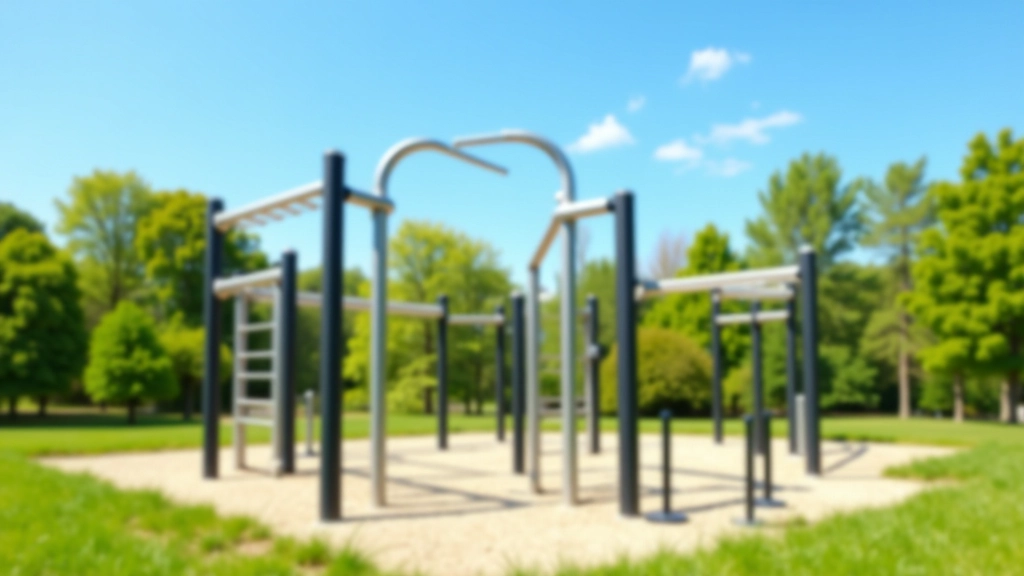

You’ve put in the work. Now you’re ready for serious strength development. Advanced movements require perfect form — don’t rush the progression.
At this level, train 4-5 times per week with proper recovery. You’re working with complex movement patterns that demand focus. Every rep should be intentional.

Add more reps, improve form, reduce rest time, or try harder variations. Change something each week. Your body adapts quickly to the same stimulus.
You don’t grow during workouts — you grow during rest. Sleep 7-9 hours, eat enough protein, and take real rest days. Don’t train hard every single day.
Bad form limits gains and causes injury. A perfect push-up beats 20 sloppy ones. Film yourself or train with a partner who can give feedback.
Three solid workouts per week for 6 months beats sporadic intense sessions. Pick a schedule you can actually stick to. That’s the real secret.
The best workout is the one you’ll actually do. Pick a routine that matches your current fitness level and commit to consistency. You don’t need a gym membership, fancy equipment, or expensive supplements. You need a park, your body, and the discipline to show up regularly.
Most people see noticeable improvements within 4-6 weeks. After three months of consistent training, you’ll be stronger, more confident, and you’ll have built real habits. The transformation isn’t dramatic overnight — it’s steady, measurable progress that compounds over time.
The hardest part isn’t the workouts. It’s deciding to start. Everything else flows from that decision.
This article provides general information about bodyweight training for educational purposes. It’s not personalized medical or fitness advice. Before starting any new exercise program, especially if you have existing health conditions, consult with a healthcare provider or certified fitness professional. Individual results vary based on age, fitness level, genetics, and consistency. Always listen to your body, use proper form, and progress gradually to avoid injury.